Covers it produced
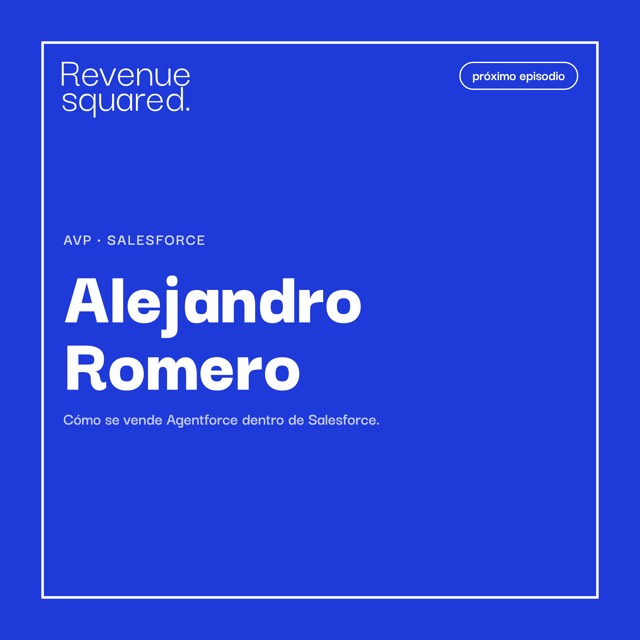
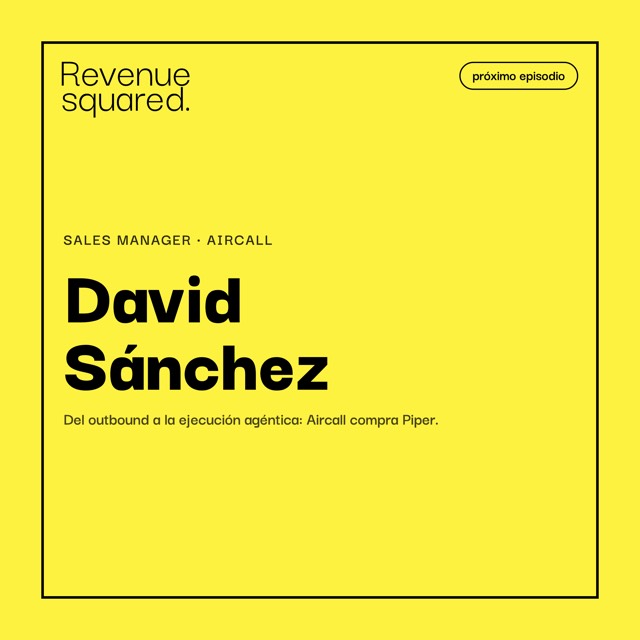
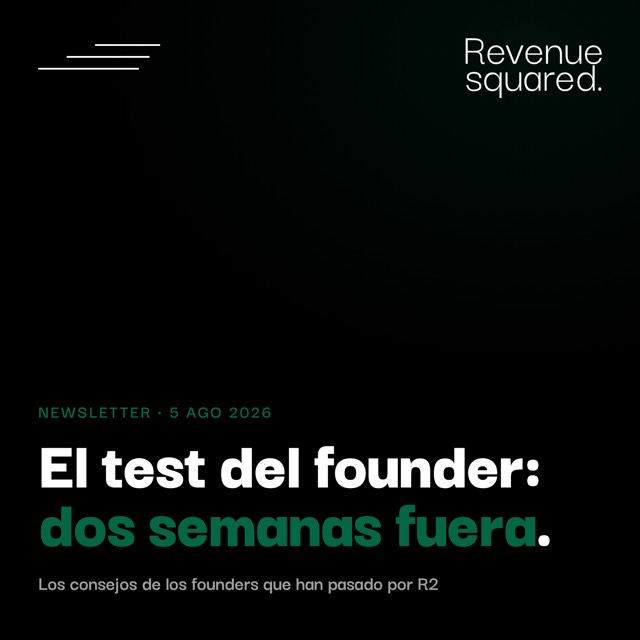
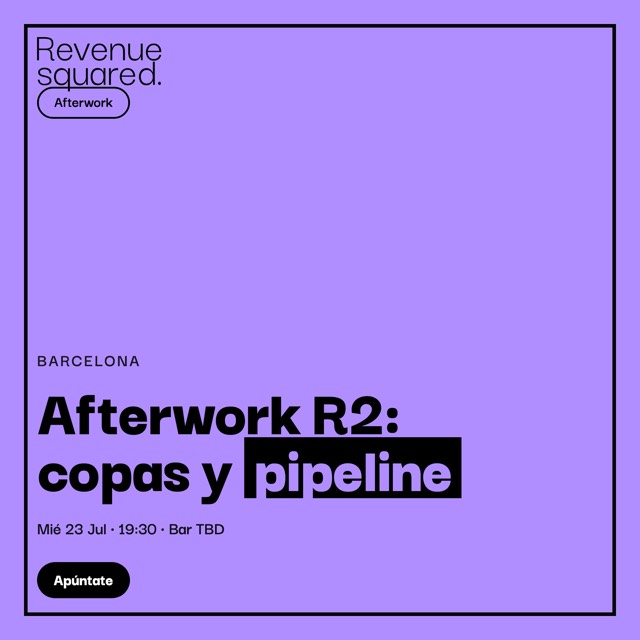
I drop the raw recording of a Revenue Squared episode in a folder. The engine turns it into a verified transcript, a map of the best moments, trailers in two formats, branded covers, three newsletter drafts, LinkedIn posts, shorts and four publishing tasks on my board. I review and publish.
A podcast episode is two hours of recording and a day of post-production: transcribing, finding the good moments, cutting trailers, making covers for three platforms, then writing the newsletter and the posts. I ran Revenue Squared next to a sales quota, and post-production was why episodes went out late. I wanted one recording to become everything an episode needs, with my review as the only step left.
The engine runs in two stages. The first handles the video. A local transcription is merged with the recording platform’s speaker names, so every line carries the right person and the right timing. A model reads the transcript and scores each segment on hook, specificity, tension, emotion, whether it stands alone and brand fit, and keeps the best twelve to eighteen moments. From that map it cuts a trailer in horizontal and vertical formats with word-level captions, and renders covers from seven approved layouts, each one passing a legibility check.
The second stage handles the words. From the transcript it writes the episode note, twelve to twenty title options, cover quotes, the platform description, three newsletter drafts of 900 to 1,200 words ready for Substack, three or four LinkedIn posts and a list of shorts. It adds the guest to my contacts and creates four tasks on my board: publish the episode, send the newsletter, post on LinkedIn, release the shorts. A separate checker verifies every quote and fact against the transcript before anything is marked ready. I publish by hand.